

Key Takeaways
- Sleep cycles naturally shift as you age.
- Poor sleep can affect balance, mood, memory, and overall health.
- Common sleep disruptors include loss of routine, medications, and social isolation.
- Simple changes to your daily habits can support a more consistent, restful sleep.
- The right senior living environment can support healthier, more consistent sleep.
The Real Reason Sleep Matters More as You Age
You’ve probably noticed that sleep doesn’t feel quite the same as it did 20 years ago. Maybe you wake up earlier than you’d like, or you find yourself lying awake at 3 a.m. for no clear reason. It can be frustrating, and it’s more common than you might think.
Quality sleep remains important as you age because it supports your physical health, memory, and emotional well-being. Understanding how sleep changes with age and staying engaged throughout the day can help you build habits that support better sleep.
How Sleep Changes as You Get Older
Sleep isn’t a single, steady state. Your body moves through different stages of sleep each night, and as you age, those cycles naturally shift. You tend to spend less time in deep, restorative sleep and more time in lighter stages where waking up is easier.
You might find yourself falling asleep earlier in the evening or waking up before your alarm. These shifts are a common part of aging, but ongoing sleep problems are worth discussing with your healthcare provider. Recognizing that helps you stop fighting your body and start working with it instead. Learning more about how sleep changes with age can be a helpful first step.
What Happens to Your Body & Brain Without Enough Sleep
Physical Effects of Poor Sleep
When sleep is regularly cut short, your body has less time to repair and restore itself. Over time, ongoing sleep loss can affect immune function and your overall physical health. You might also notice that your balance and coordination feel a little off, which can raise the risk of falls.
It’s not about one bad night. It’s the pattern over weeks and months that can affect how you feel day to day. Getting a good sleep consistently can be one way to support your overall physical well-being. Pairing good rest with regular physical activity can further strengthen how your body feels day to day.
Mental & Emotional Effects
Sleep and brain health are closely connected. When you’re not getting enough rest, you may notice changes in your memory, attention span, or ability to concentrate. You might walk into a room and forget why, or struggle to hold onto a conversation the way you usually would.
Beyond memory, poor sleep can also affect your mood and energy levels. For those navigating memory care concerns or early signs of cognitive change, quality sleep becomes an even more meaningful part of daily support and care. Learning how memory and thinking can be affected as you age can help you better understand what you may be experiencing.

Common Reasons Seniors Struggle with Sleep
If sleep has become harder, there’s usually a reason, and often more than one. Some of the most common factors include:
- Changes in daily routines that occur after retirement, which can throw off natural sleep rhythms.
- Current medications that could alter sleep patterns.
- Stress, anxiety, or feelings of loneliness that make it harder to wind down at night
Social isolation, in particular, can quietly chip away at sleep quality. When days feel long and unstimulating, the body’s internal clock can lose its sense of rhythm. Staying socially connected and maintaining meaningful routines during the day can help to support your overall health.
Simple Habits that Support Better Sleep
Daily Routine & Movement
One of the most helpful things you can do is keep a consistent schedule. Going to bed and waking up at the same time each day, even on weekends, can help your body settle into a natural rhythm. It doesn’t have to be rigid, just regular.
Light movement throughout the day, like a short walk or gentle stretching, can also be a part of getting a deeper, more restful sleep at night. Low impact exercises like a 20-minute stroll after lunch can make a noticeable difference by the time your head hits the pillow.
Your Sleep Environment
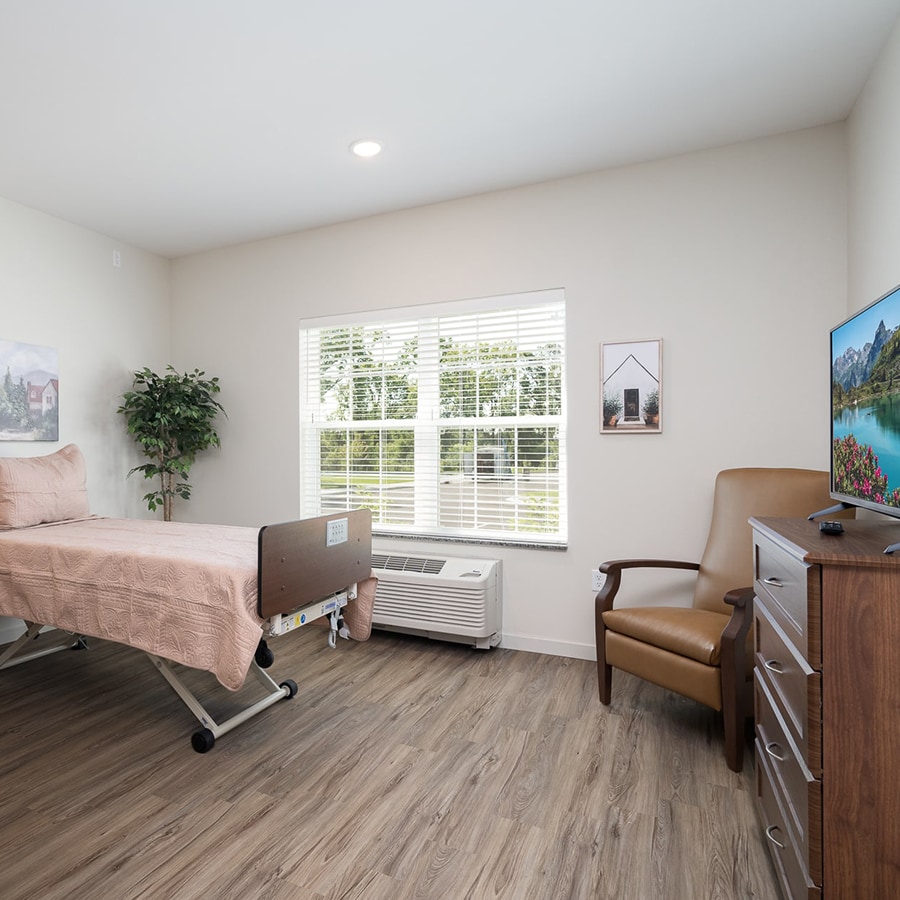
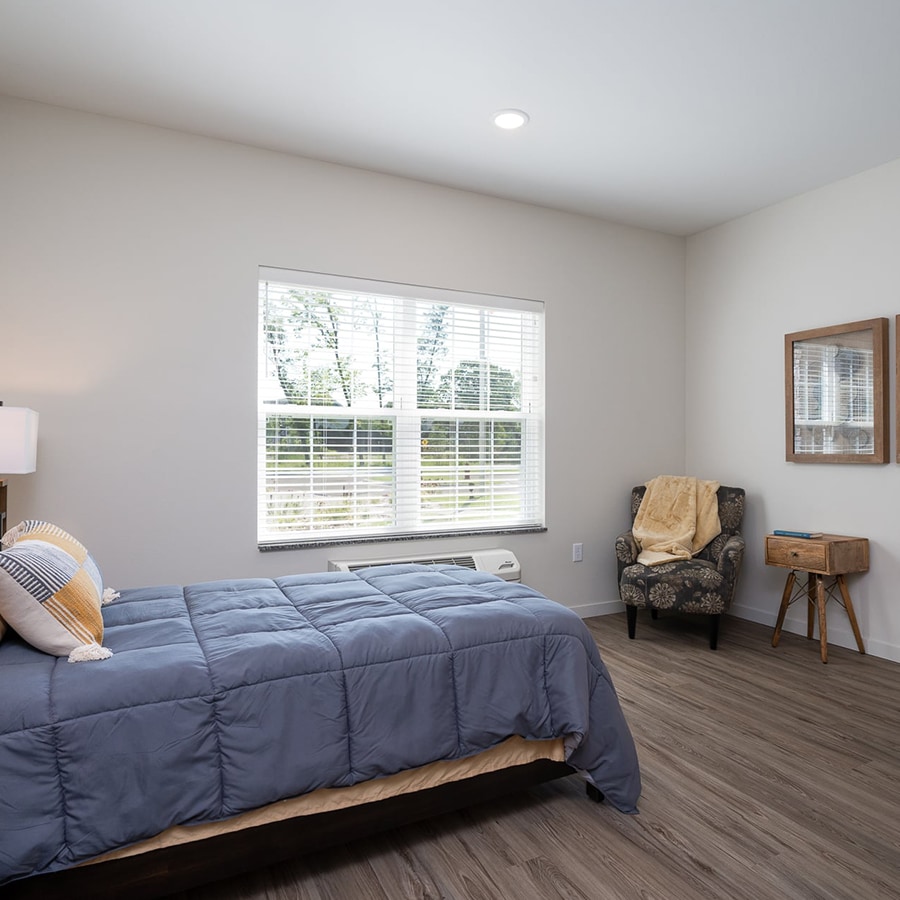
Your bedroom environment can also play a role in supporting a comfortable night’s rest. A cool, dark, and quiet bedroom sends signals to your brain that it’s time to rest. Even small changes, like blackout curtains or a white noise machine, can help.
Try to limit screen time in the hour before bed. The light from phones and tablets can interfere with your body’s natural wind-down process, making it harder to fall asleep and stay asleep.
How Senior Living Support Can Help
Healthy habits are one part of supporting your overall well-being as you age. Small changes to your daily routine, activity levels, and sleep environment can help you rest better at night.
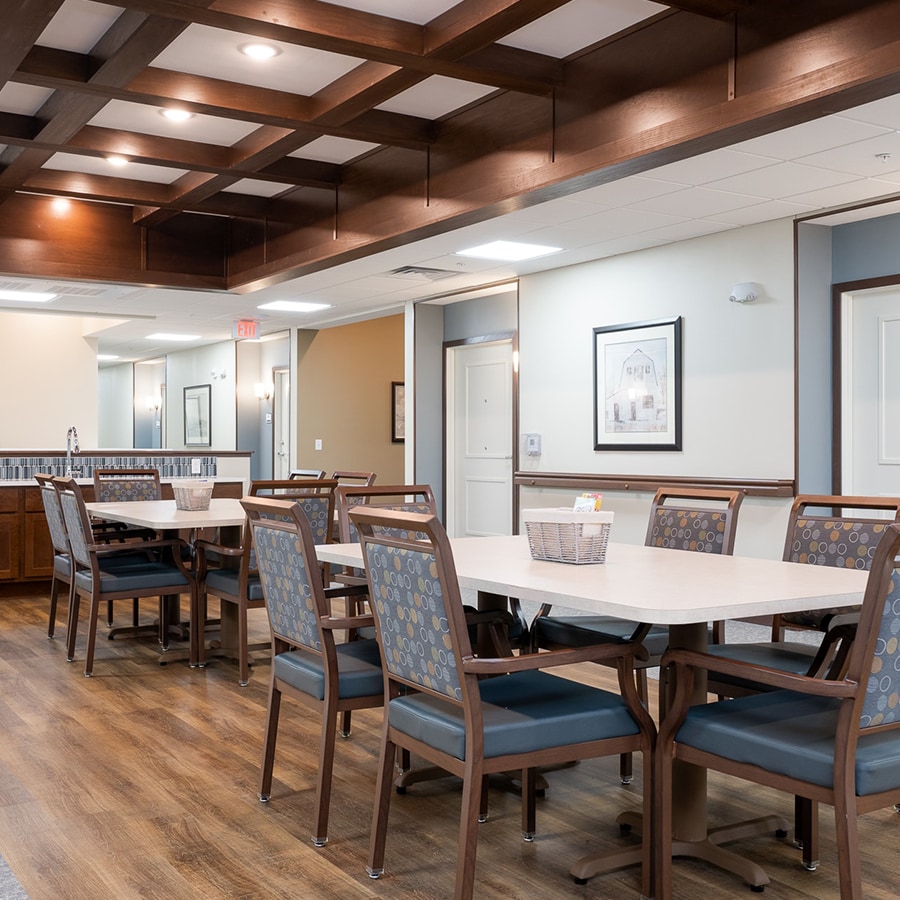
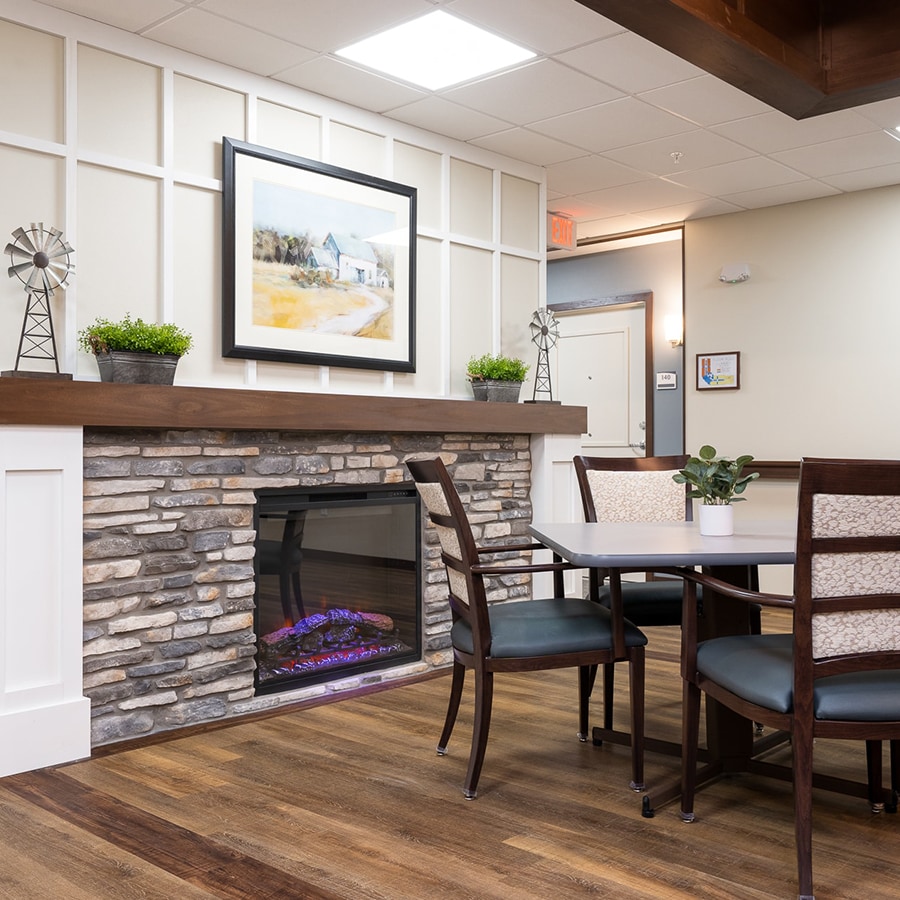
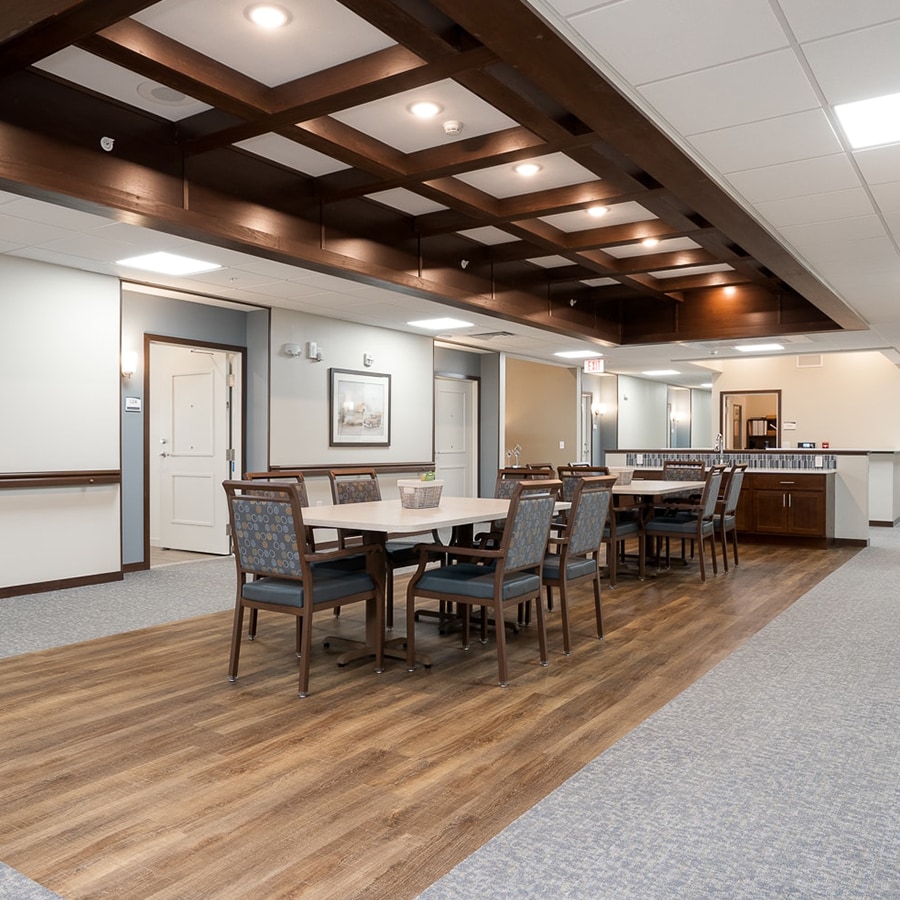
At NorBella Champlin, our boutique senior living community offers personalized support, engaging daily activities, and fun opportunities for connection.
Contact us to learn more about our supportive community.