
When a loved one is experiencing memory challenges due to Alzheimer’s or dementia, ensuring that they live in a safe, supportive, and stimulating environment becomes a top priority. This may mean that you should consider transitioning them from assisted living to memory care.
Memory care communities are specifically designed to provide compassionate care and purpose-filled daily routines for those dealing with memory loss. If you’re considering memory care as an option for your loved one, you may be wondering what daily life in a memory care community looks like.
In this blog, we’ll explore the typical activities, support systems, and environment that a memory care community can provide, giving you insight into the enriching and meaningful experiences your loved one can expect.
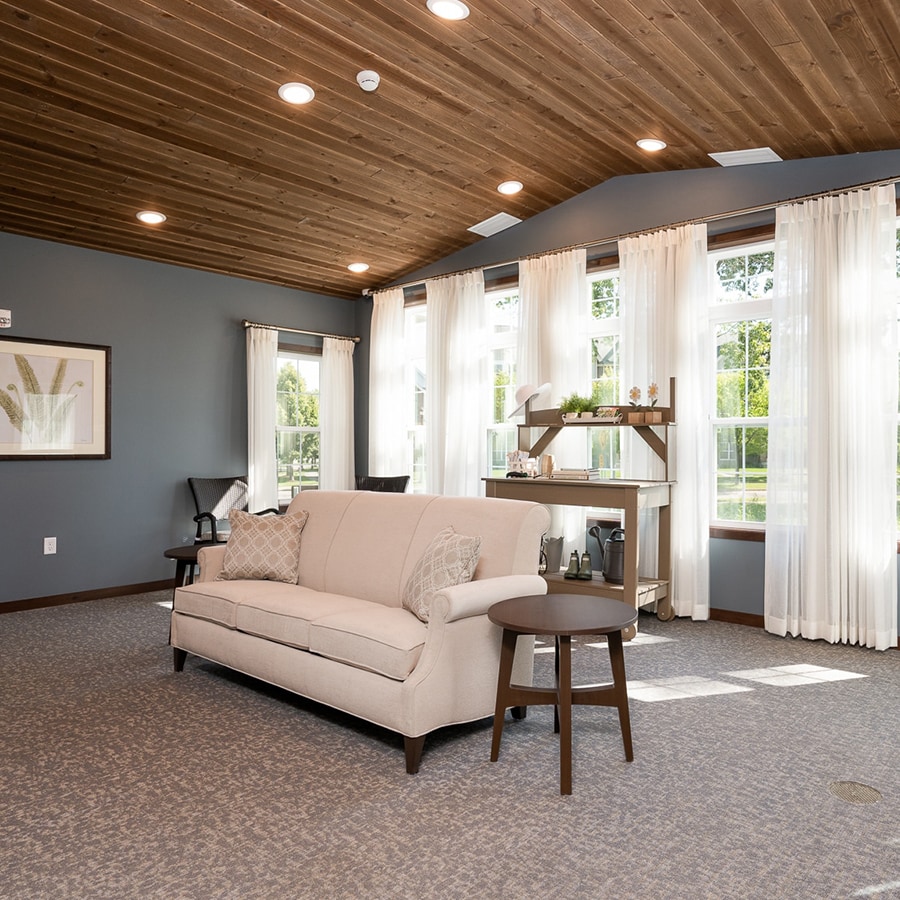
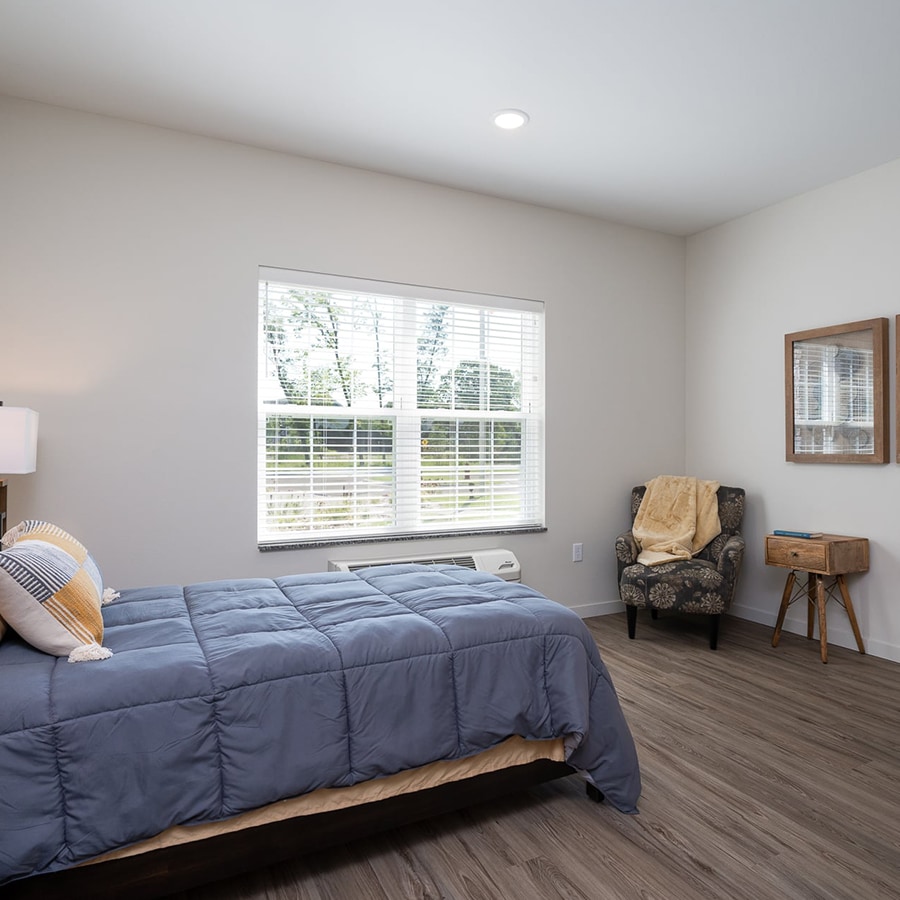
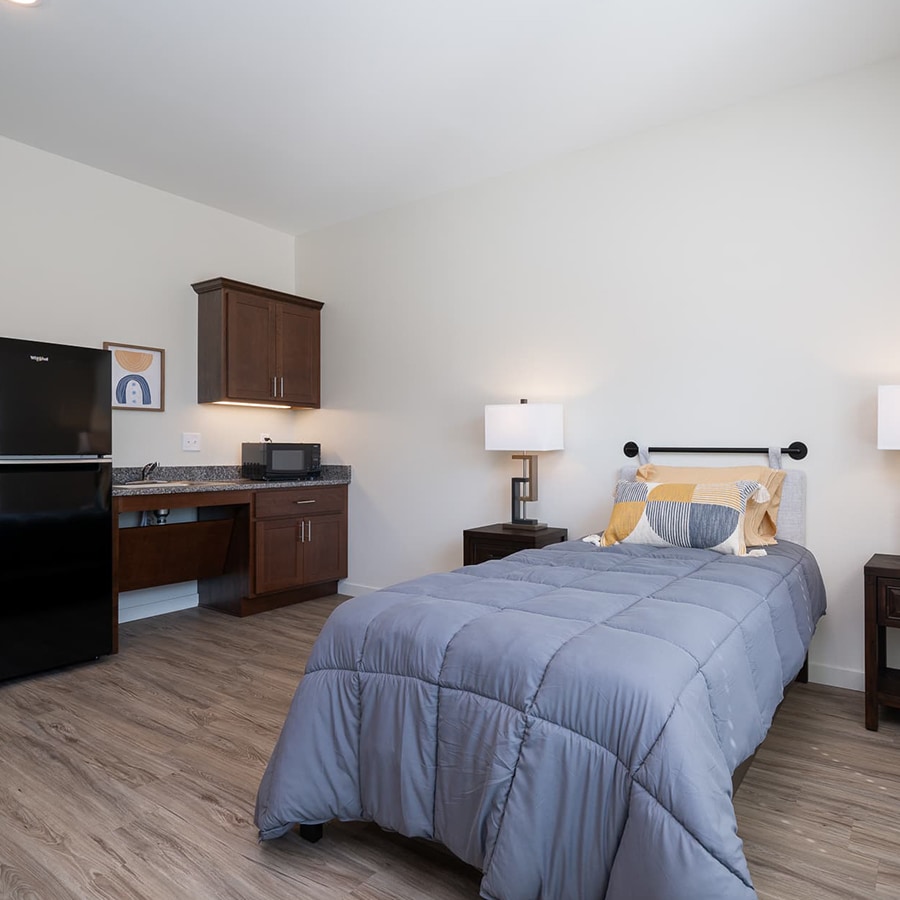
A Welcoming & Secure Setting
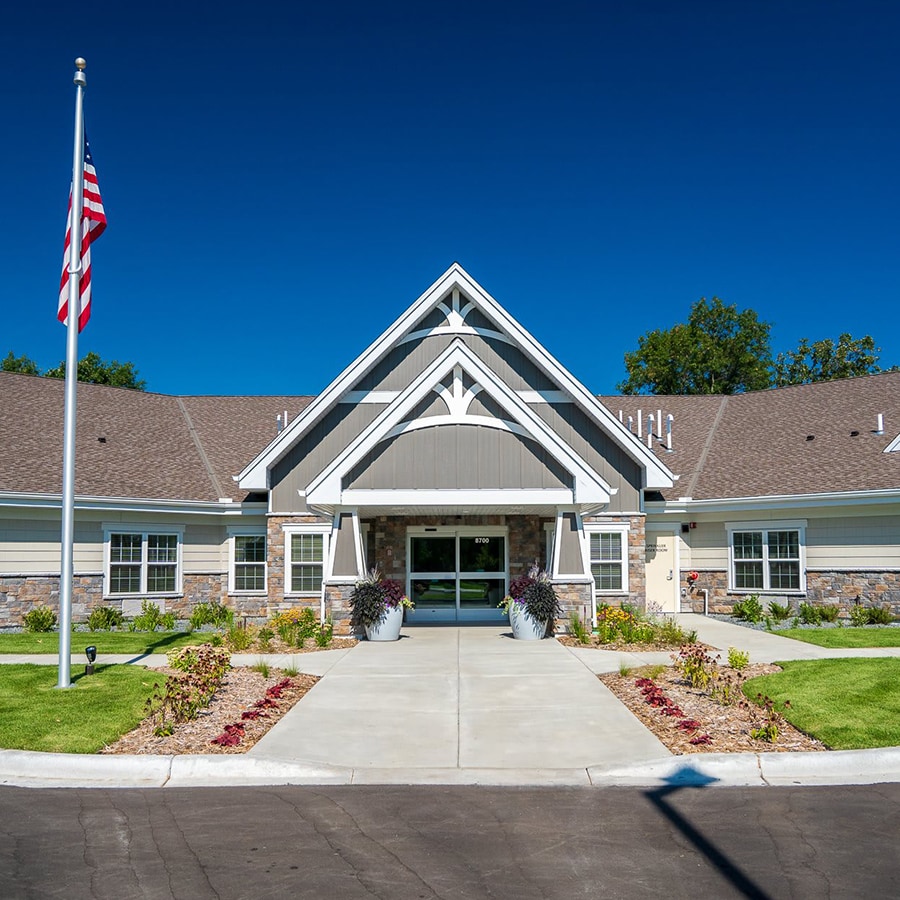
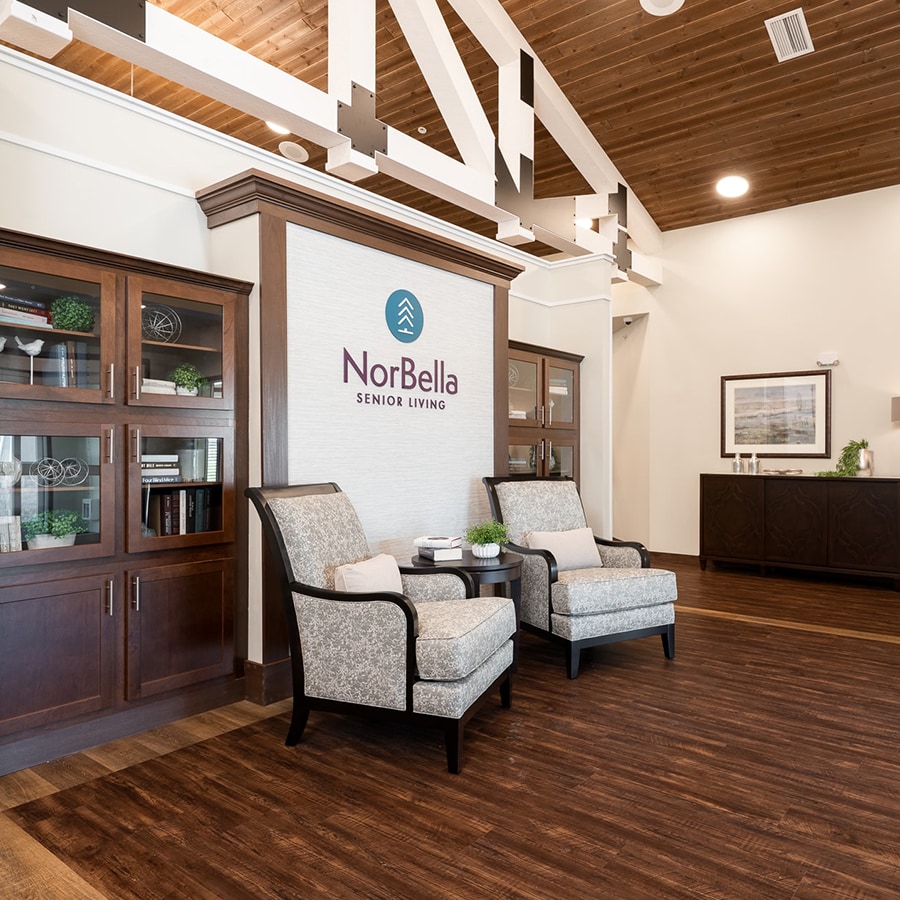
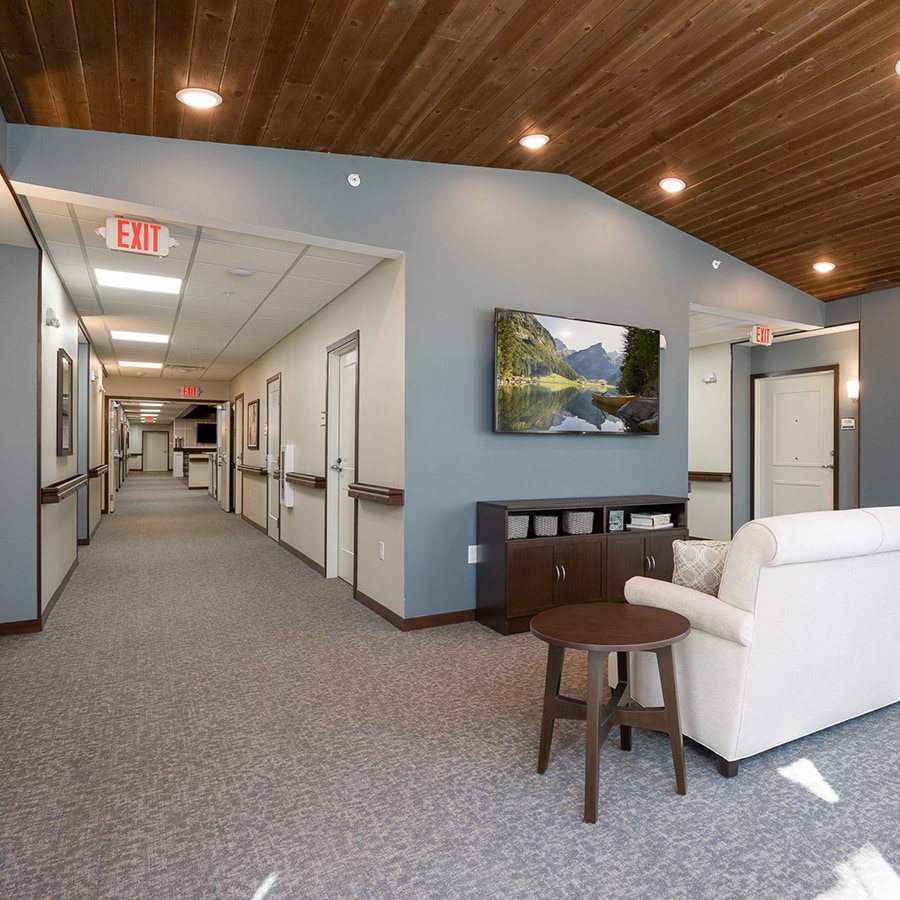
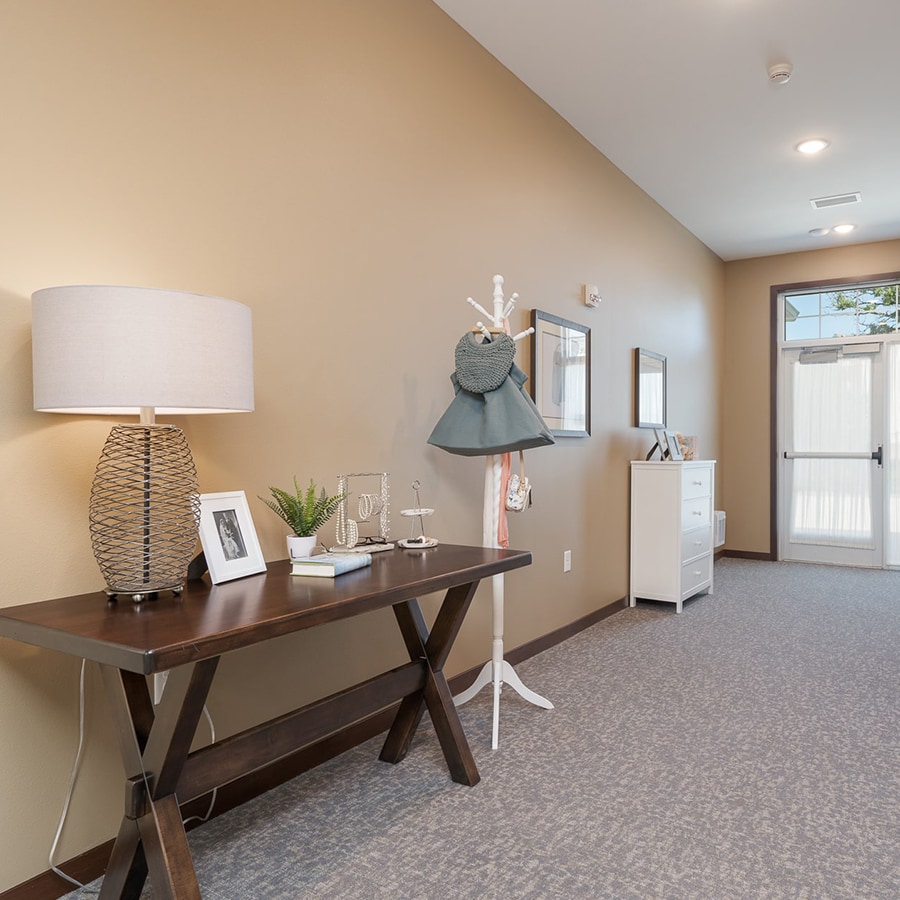
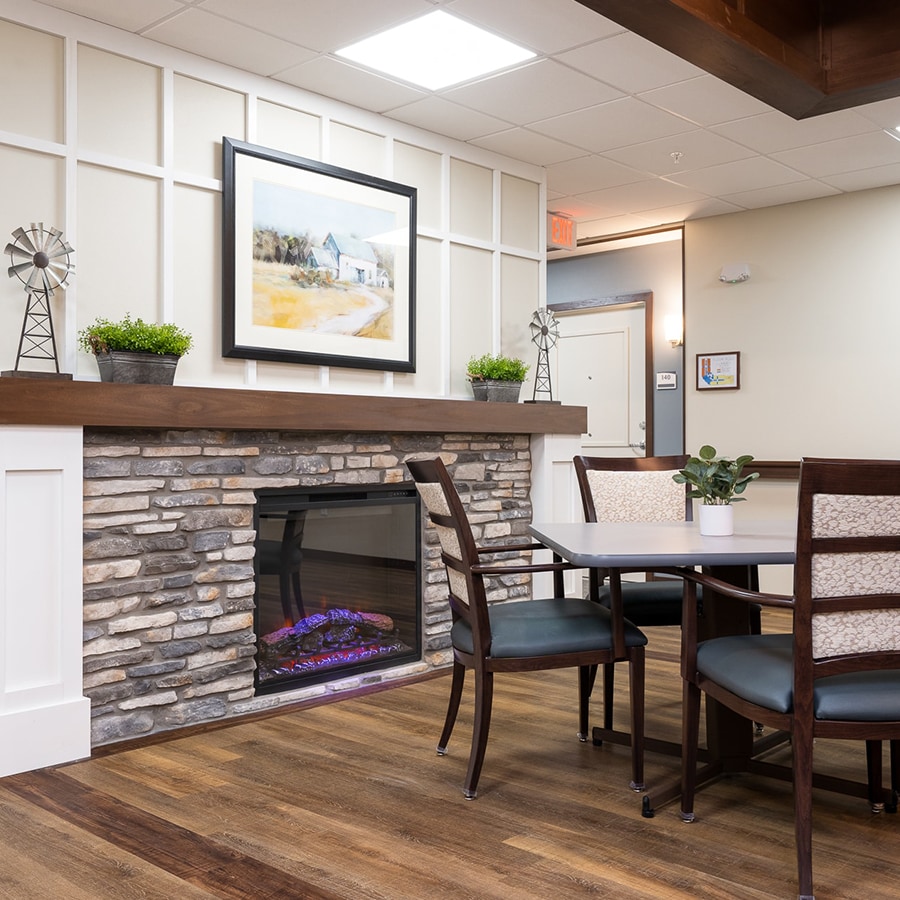
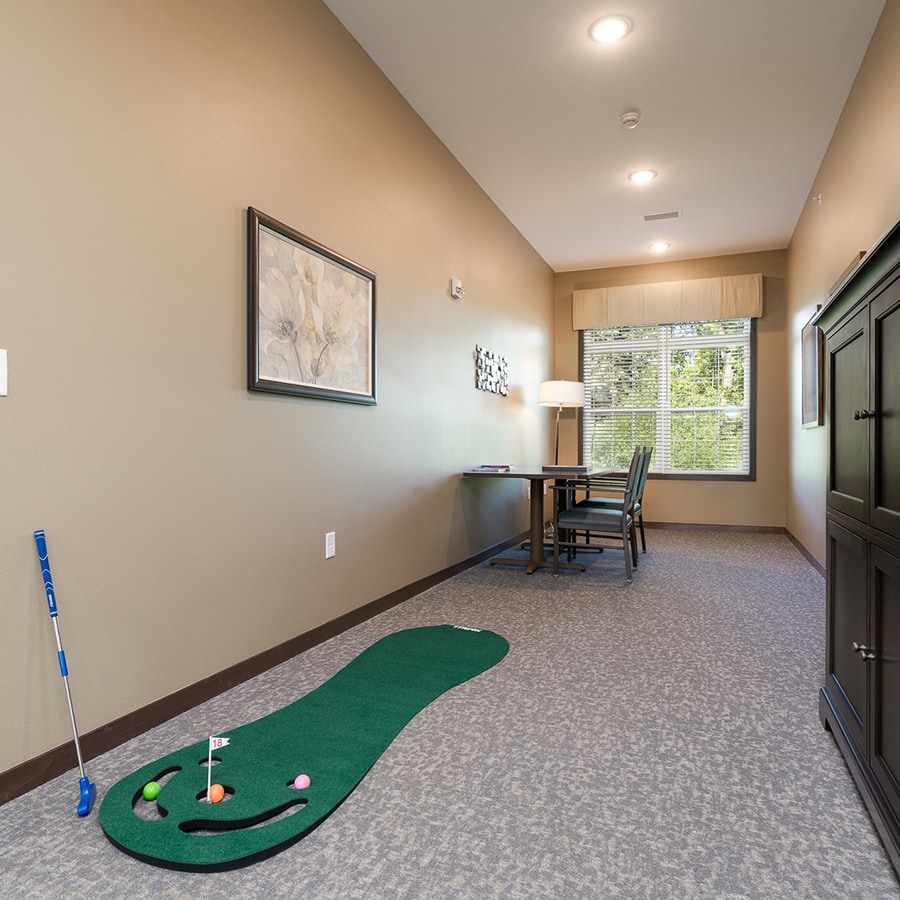
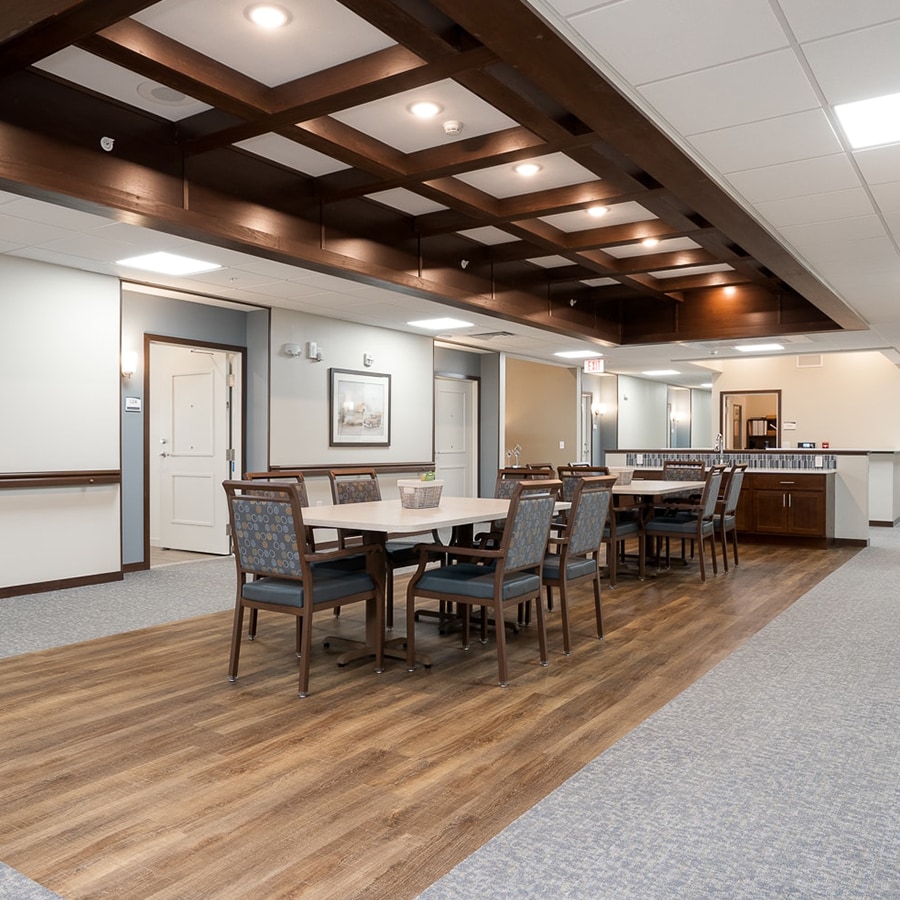
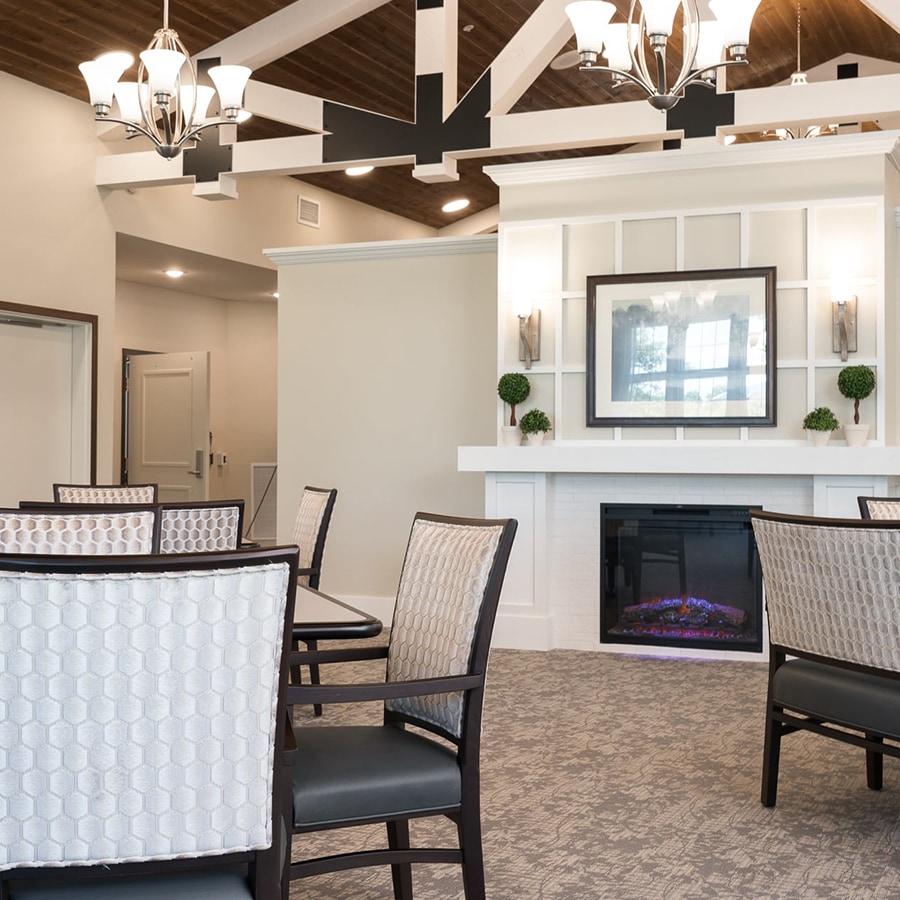
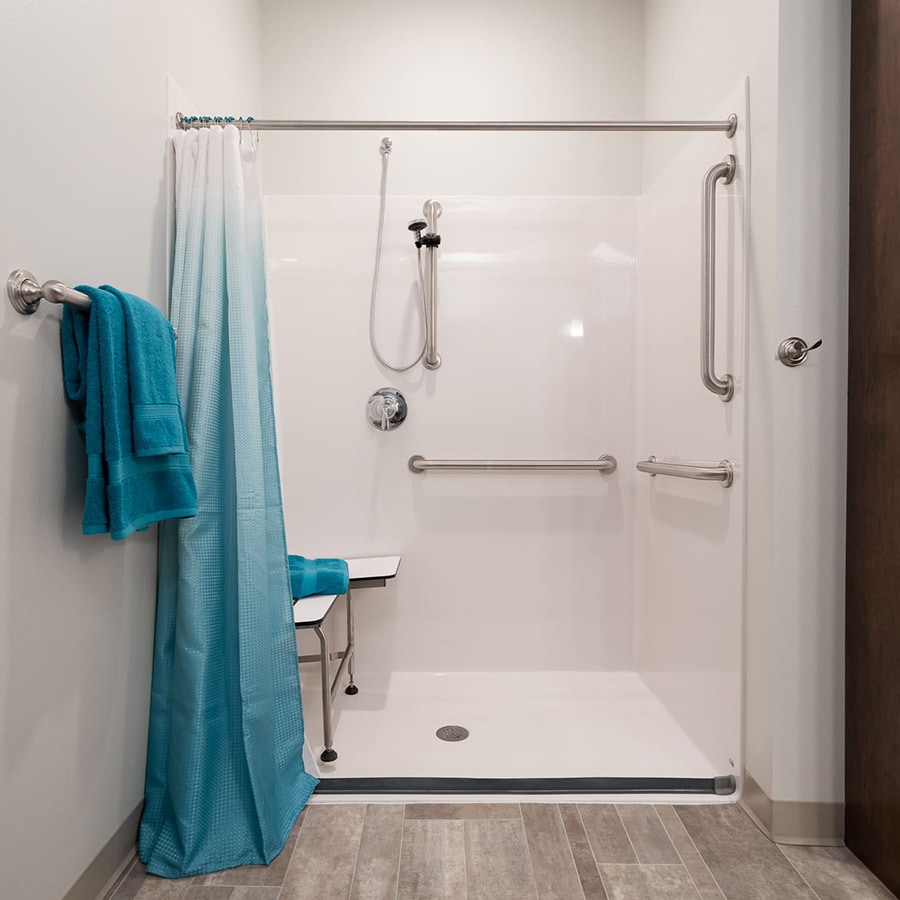
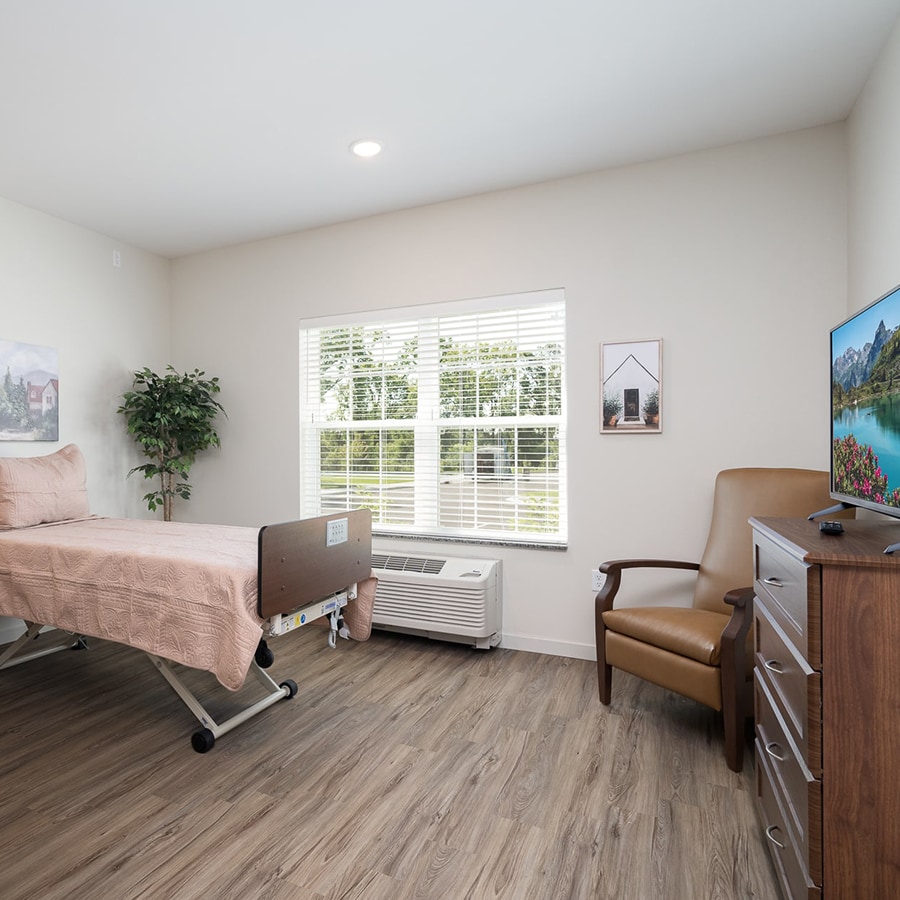
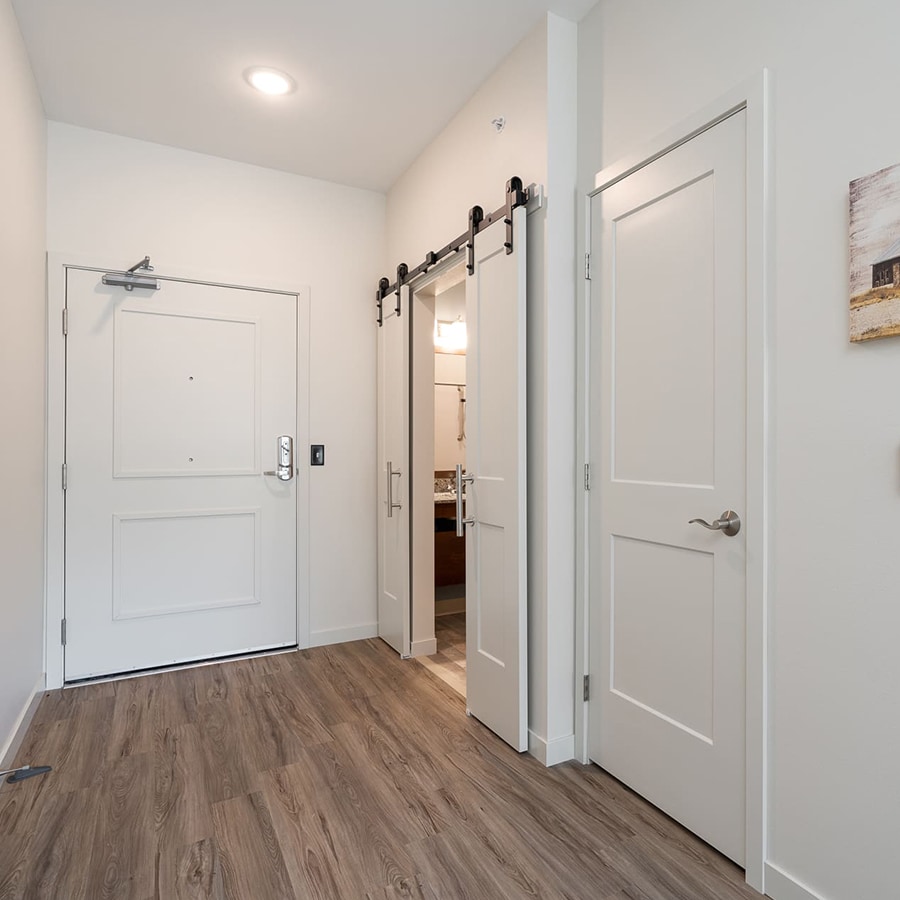
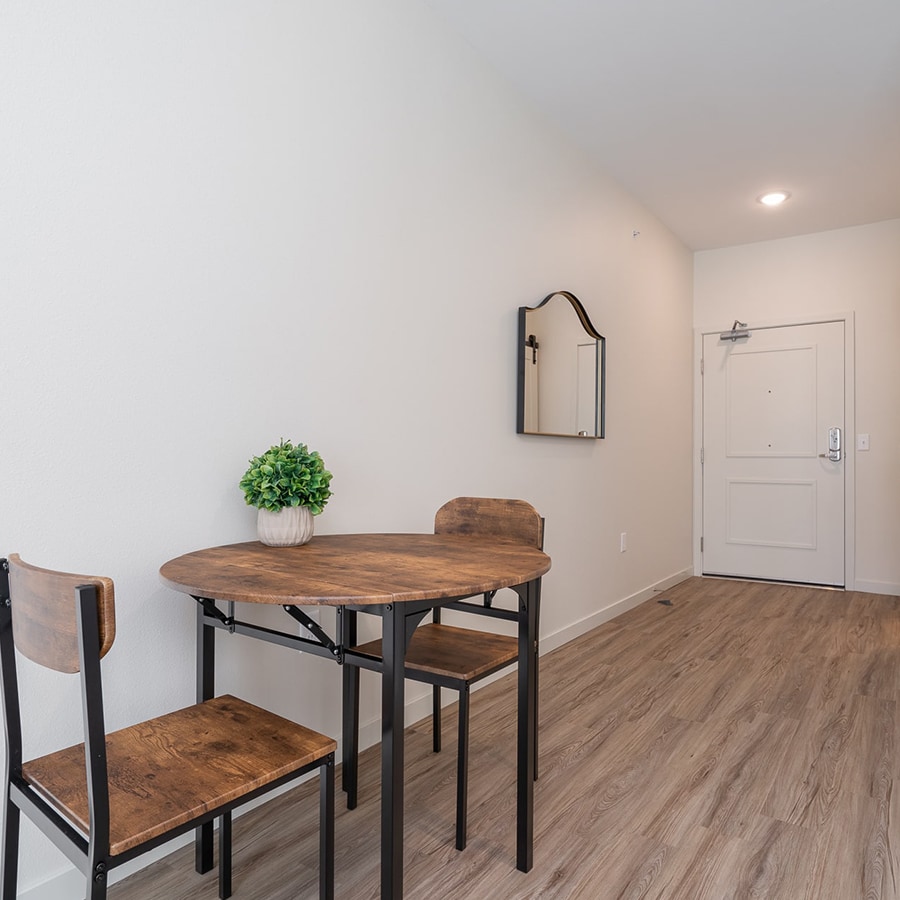
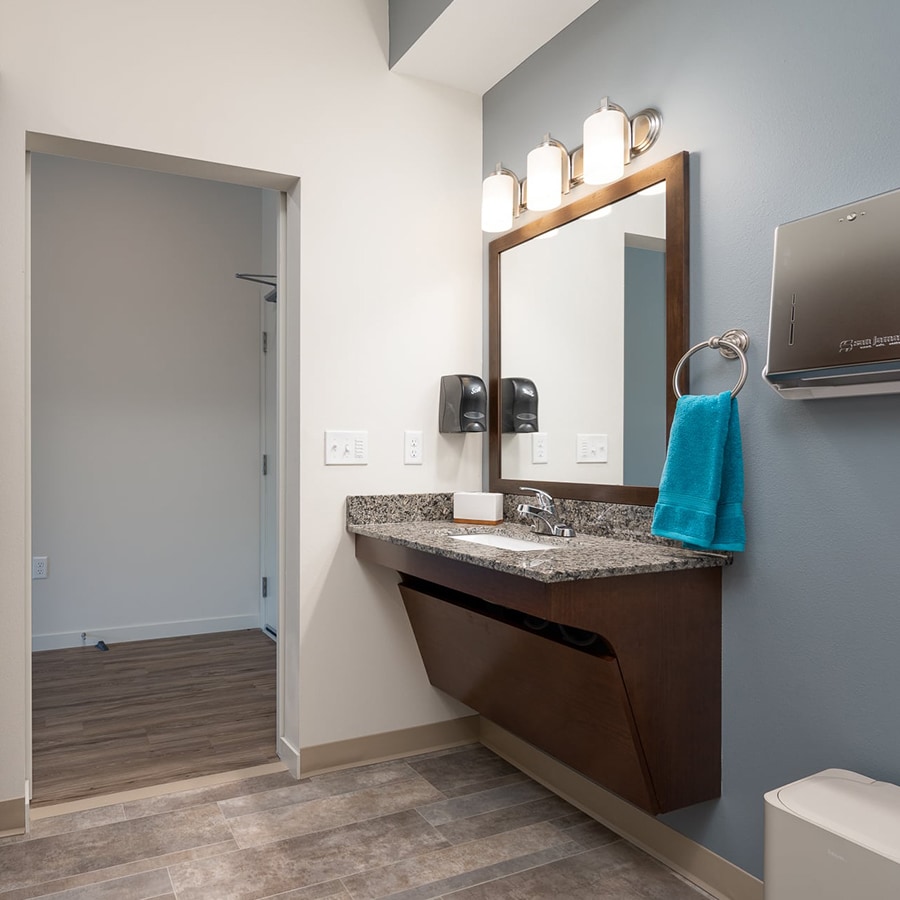
Memory care communities are designed to help residents feel at home while also supporting their safety and comfort. Community spaces are designed with intuitive layouts to reduce confusion and create a sense of familiarity. From secure entrances and exits to calming decor, every detail is considered to support memory care residents’ unique needs.
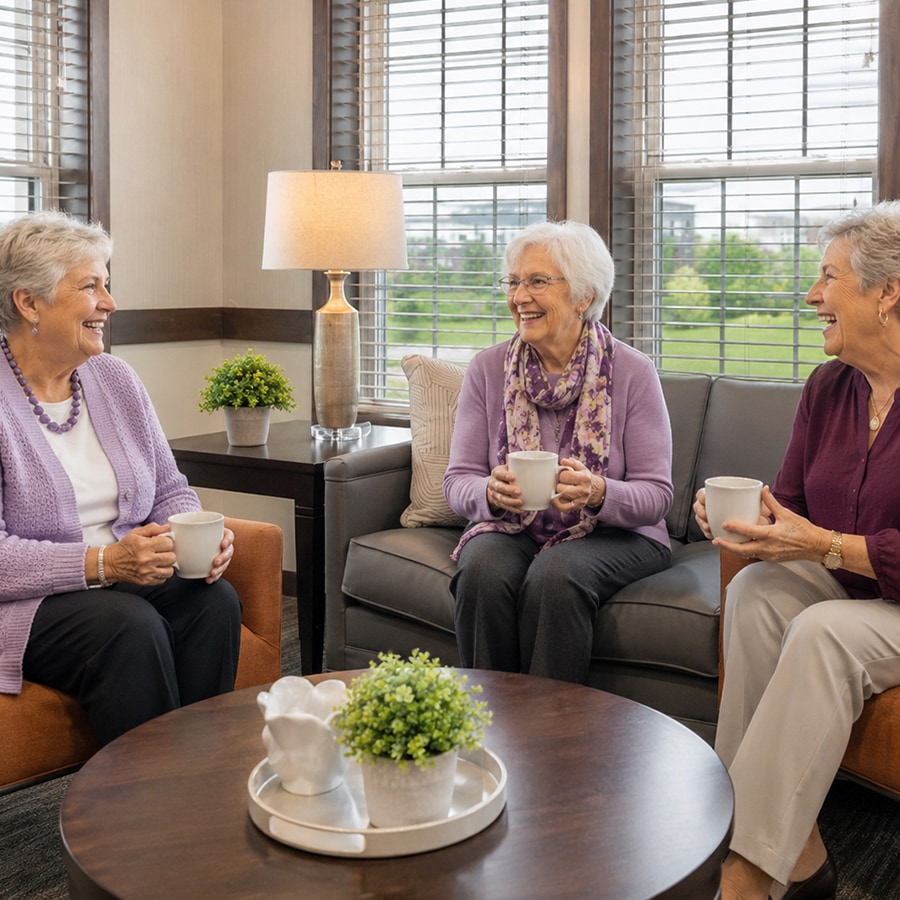
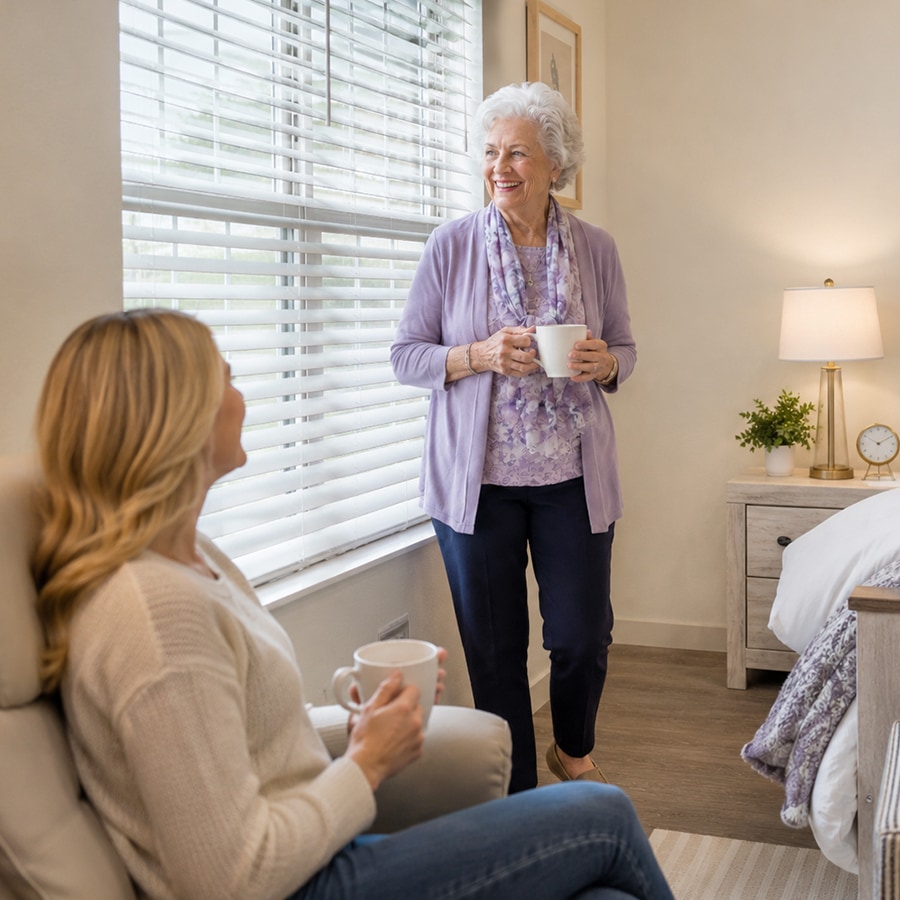
Beyond safety, the community should foster warmth and inclusiveness. Compassionate staff members are present round the clock, building trusted relationships with residents and making the space feel like a second home.
This calm and uniquely structured environment helps residents maintain independence, while preventing risks often associated with memory loss, like wandering.
Personalized Schedules & Routines
Daily routines play a vital role in enhancing the well-being of those with memory challenges. These routines offer structured yet flexible schedules to reduce anxiety and reinforce a sense of normalcy. Residents can benefit from personalized care plans tailored to their preferences, interests, and abilities.
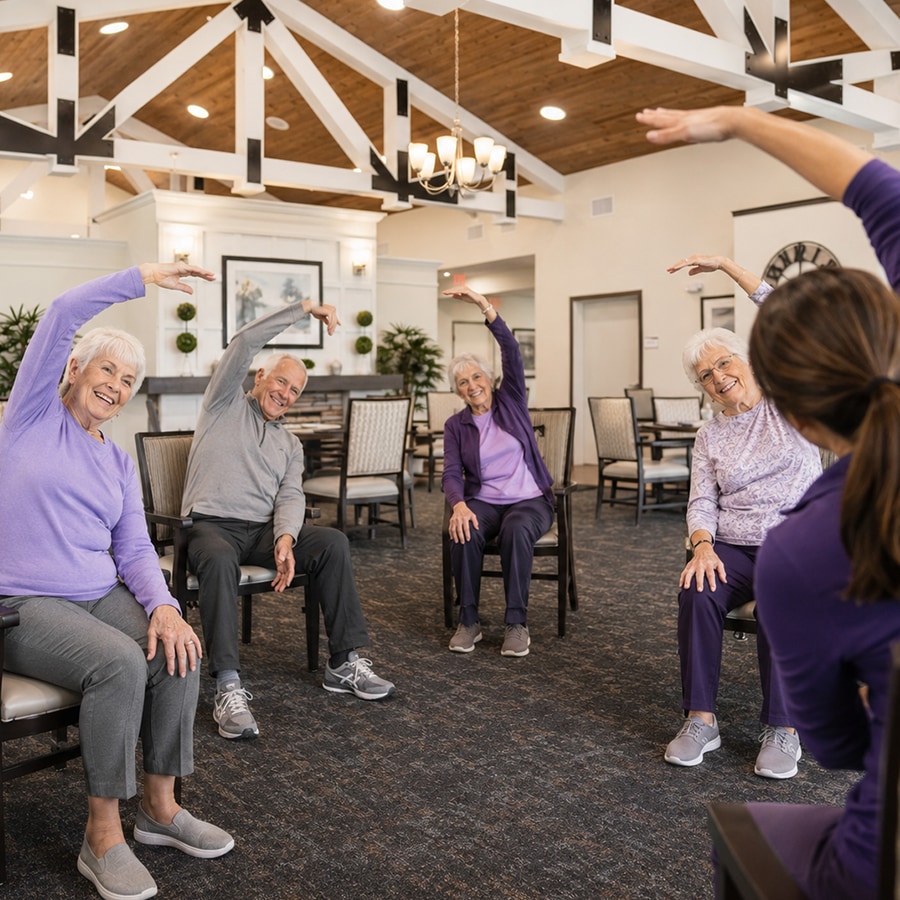
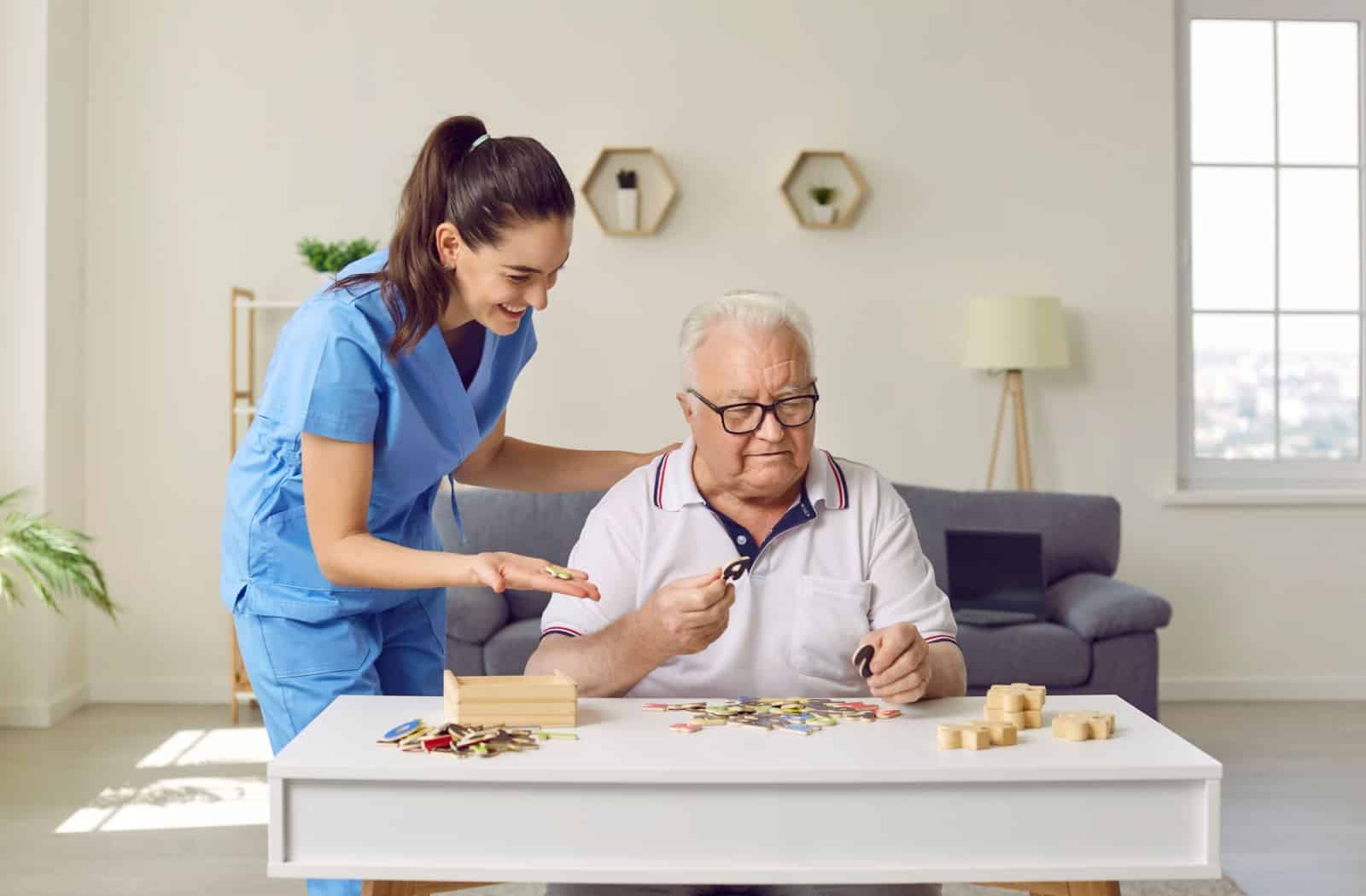
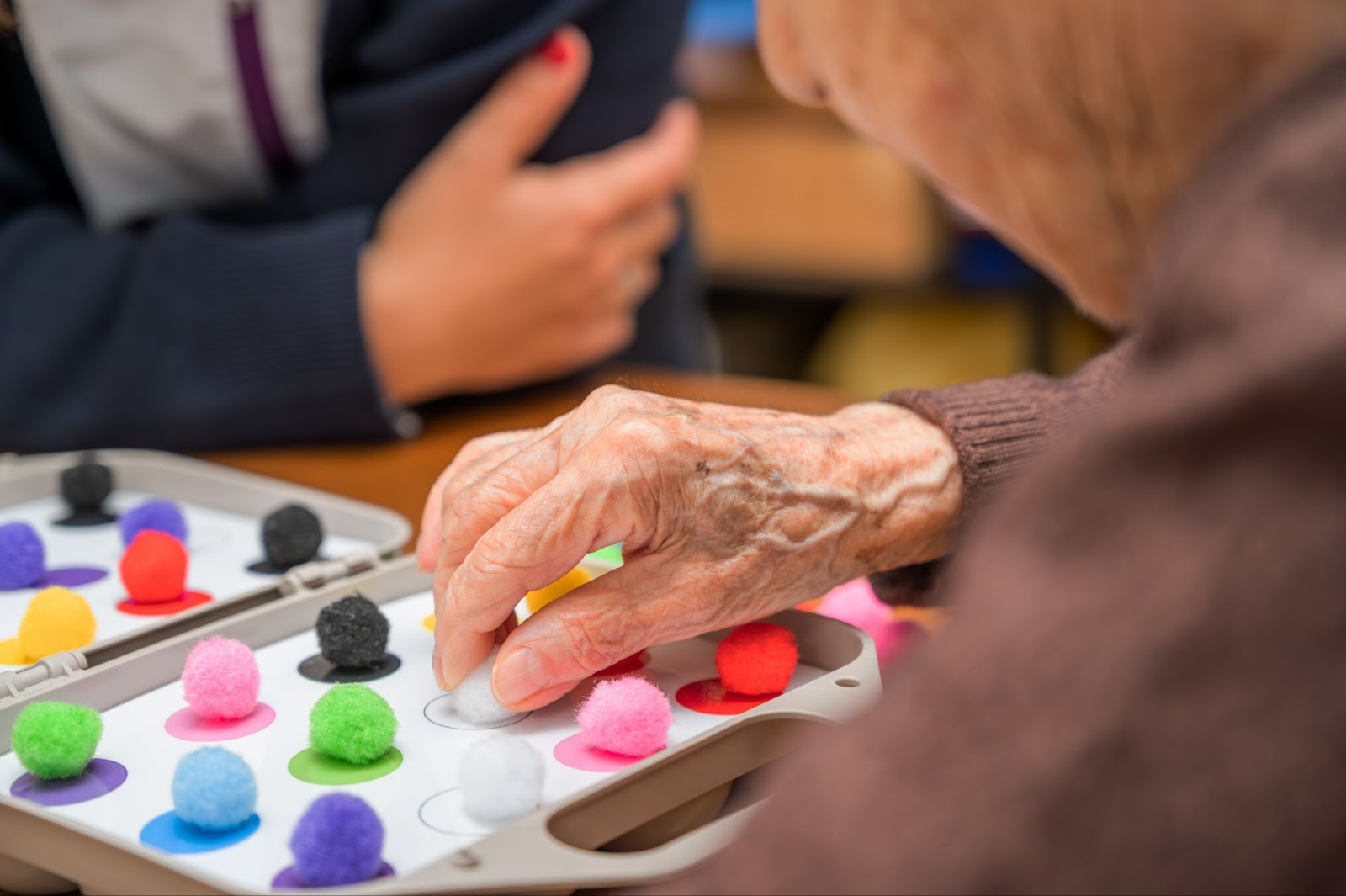
Mornings might begin with light exercise or stretches, fostering physical health and promoting an active start to the day. Engaging activities follow this, such as puzzles, art therapy, or music programs, which stimulate cognitive function while fostering joy.
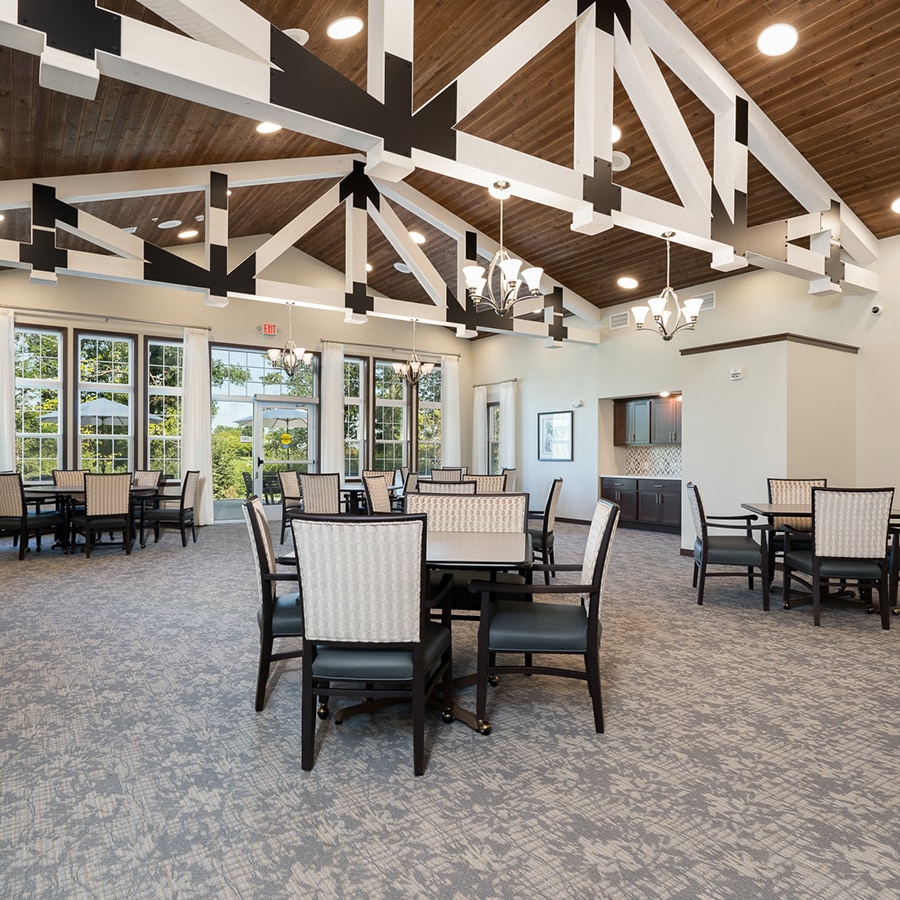
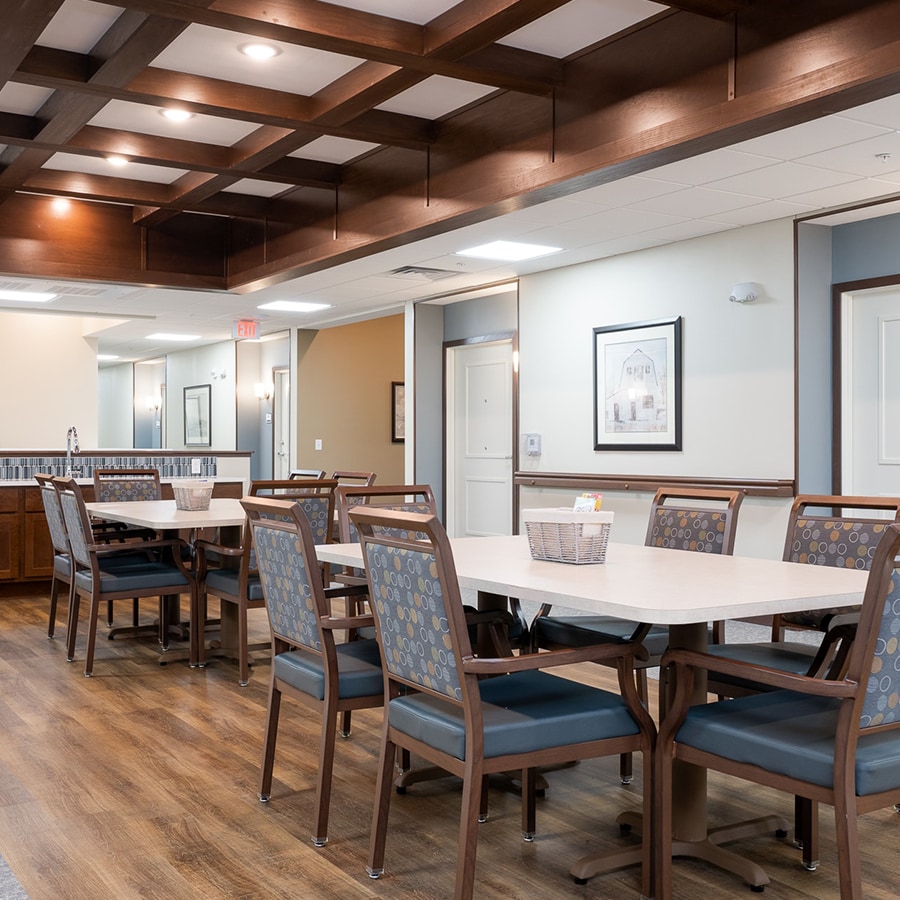
Meals are another central part of daily life. Thoughtful attention is given to creating balanced, nutritious menus that align with dietary preferences or medical needs. Residents gather in a welcoming dining setting, encouraging socialization and a sense of community.
Engaging Group Activities
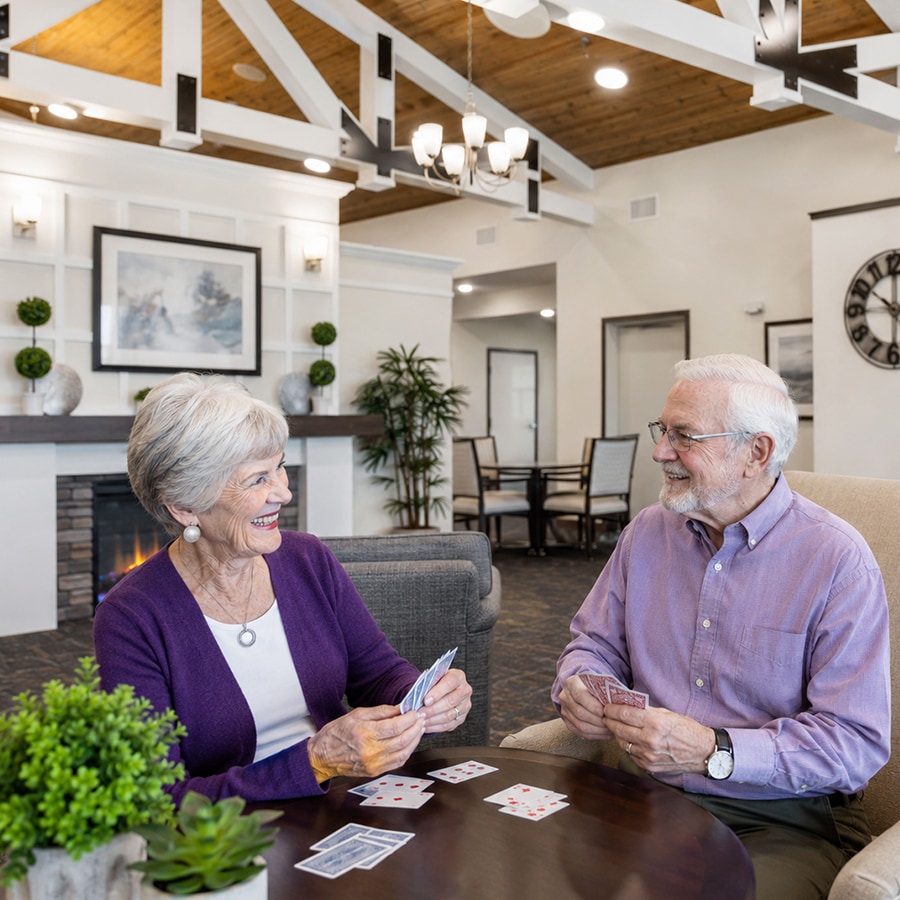
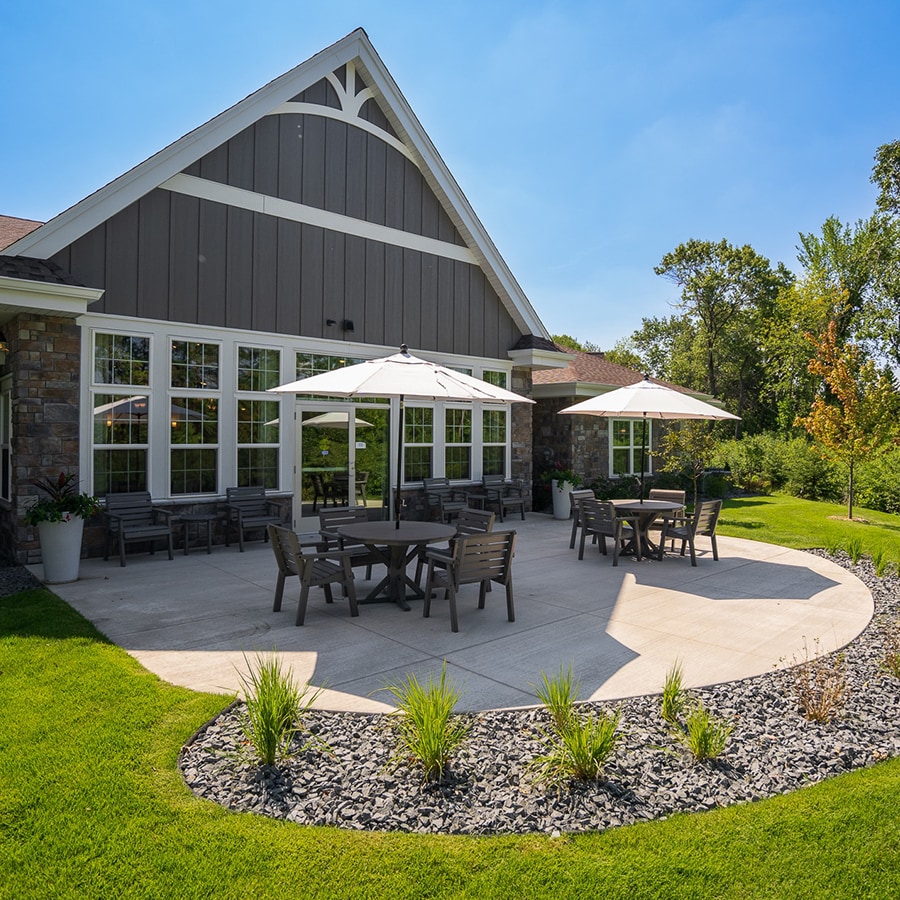
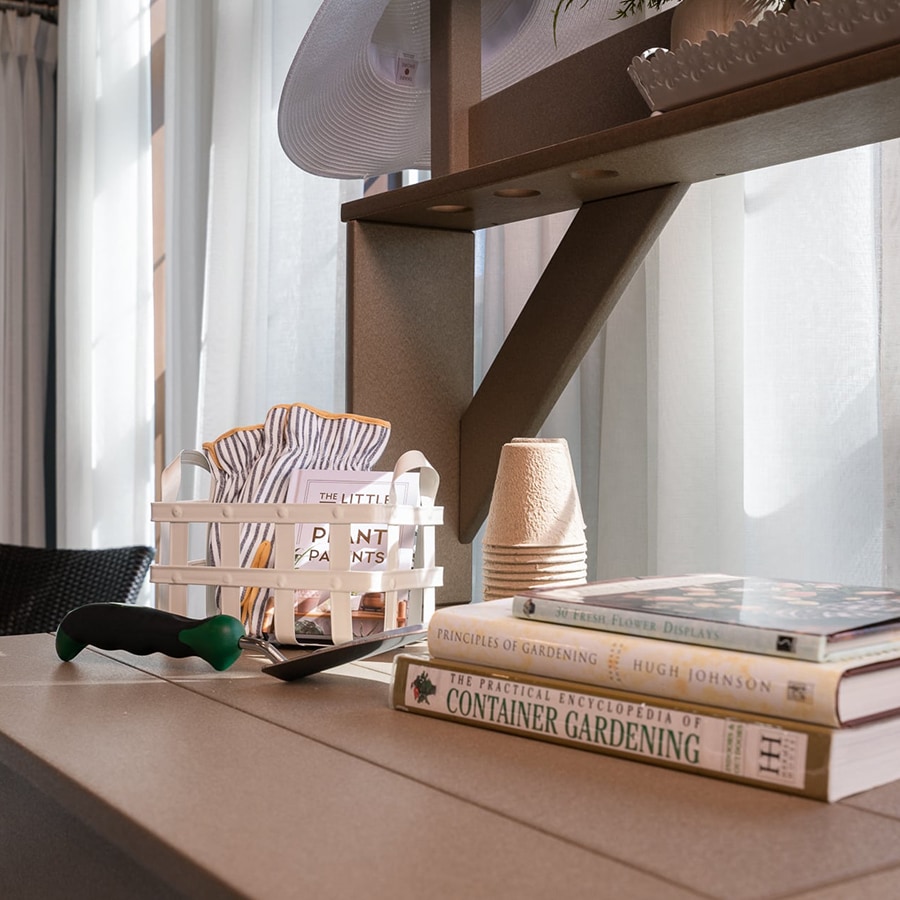
Staying active and socially engaged has tremendous benefits for individuals with memory loss. Memory care communities offer various fun, engaging, and therapeutic activities. From gardening and pet therapy to group discussions and creative workshops, these activities are carefully chosen to cater to a wide range of interests and capabilities.
Particularly significant is the role of music and art in memory care. Music often sparks nostalgia and happiness, creating positive emotional experiences. Meanwhile, crafting or painting allows residents to express themselves creatively, enhancing their mental well-being.
Regular group activities also promote socialization, helping residents form connections with others in the community—a key factor in maintaining a sense of belonging.
Compassionate & Professional Care
Highly trained caregivers are the backbone of memory care communities. Staff undergoes specialized training in dementia care, equipping them with the knowledge and skills to handle varying levels of memory impairment.
From daily tasks like bathing and dressing to medication management, caregivers provide consistent, compassionate support, while honoring each resident’s unique preferences and dignity.
Perhaps just as importantly, these professionals take the time to truly know each individual resident, building trust and fostering emotional well-being. This approach ensures that residents receive high-quality care, but also feel understood and valued.
Family Connections & Support
Transitioning a loved one into a memory care community can be an emotional step for families, but fostering strong connections between residents and their loved ones is still important. Families are often encouraged to visit and participate in special events or scheduled activities. Memory care communities understand the importance of family involvement and provide ongoing communication about residents’ well-being and progress.
Families are part of the care process, receiving guidance, education, and emotional support from the community’s compassionate team.
Peace of Mind for Caregivers
Perhaps one of the most significant benefits of a memory care community is the peace of mind it offers families and caregivers. Knowing your loved one is in a secure and compassionate environment, surrounded by professionals who care for their well-being, can alleviate the stress and challenges often associated with caregiving.
Memory care isn’t just about providing support—it’s about enhancing the quality of life for both residents and their families.
Take the Next Step Toward Compassionate Care
Choosing a memory care community is a big decision, but understanding what daily life looks like can help ease your concerns. At NorBella Senior Living in Champlin, your loved one will find a vibrant and supportive community designed to help them thrive. With expert care, engaging activities, and a focus on well-being, NorBella ensures each resident feels valued and cared for.
If you’d like to learn more or schedule a tour, visit NorBella Senior Living Champlin. Your loved one deserves a place where they can live with dignity, joy, and purpose—and we’re here to make that happen.